
How to Prepare Your RV for the Summer Season
Updated: Apr 3
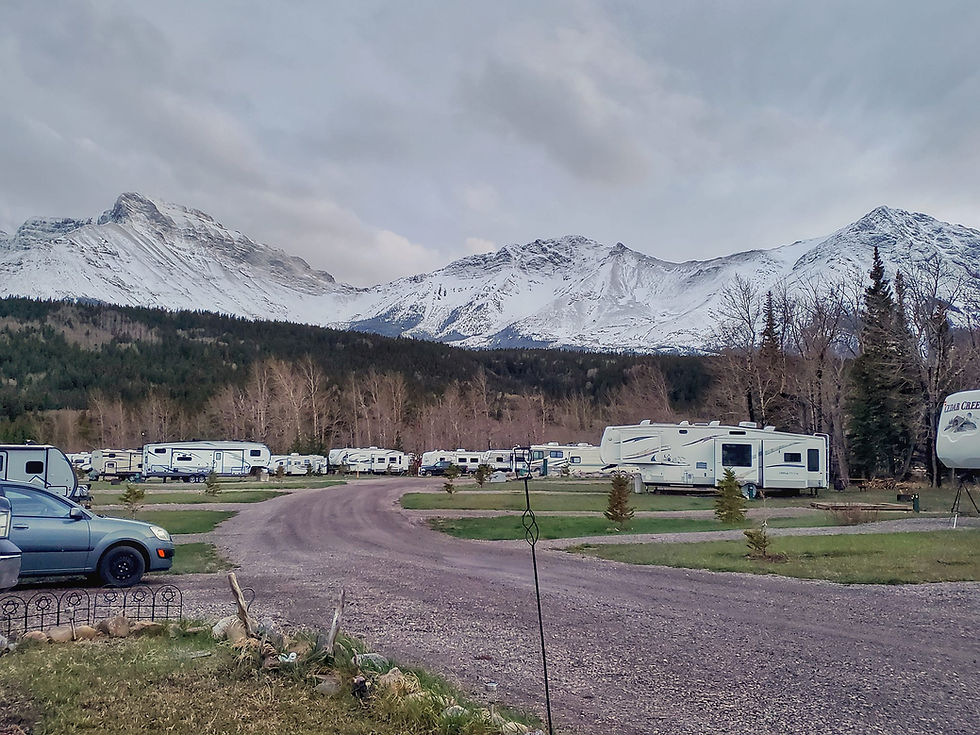
Can you feel it? The air has changed. The snow is almost gone, the sun is staying out longer, and the online camping groups are a buzz. For RV owners in Alberta, this usually means one thing. It is time to get our trailers ready for the season!
Preparing your RV for summer does not need to be complicated, but taking the time to go through a proper checklist can prevent headaches once you arrive at the campground. A few small checks now can save you from water leaks, electrical issues, or equipment problems later.

Here is a simple step-by-step checklist to help get your RV ready for the season ahead:
1. Inspect the Roof and Exterior
Start with a slow walk around the outside of your RV then climb up on top to check the roof. (Use a ladder + the buddy system!)
Winter weather can be tough on seals and exterior materials, especially if your RV was stored outdoors. Look closely for:
Cracked or peeling sealant around vents and skylights
Loose trim or siding
Damage from snow load or branches
Signs of water intrusion
If you notice dried or cracked sealant, resealing those areas early can prevent leaks later in the summer.
While you are outside, give the RV a proper wash. Removing dirt and winter residue helps protect the exterior and makes it easier to spot any potential issues.
2. Check Tires and Wheel Components
Even if your RV has been sitting still all winter, the tires still need attention.
Check the following:
Tire pressure
Cracks in the sidewalls
Uneven wear
Age of the tires
Most RV tires should be replaced every five to seven years regardless of tread wear.
If you plan to tow your RV to a seasonal site, this is also a good time to inspect wheel bearings and lug nuts. (Seasonal-Member-Pro-Tip: Cover your wheels during the season to prevent additional sun damage!)
3. Dewinterize the Water System
If your RV was winterized properly in the fall, the plumbing system likely contains RV antifreeze.
Dewinterizing usually includes:
Flushing antifreeze from the water lines
Filling and sanitizing the fresh water tank
Checking for leaks around fittings and connections
Testing the water pump
Running water through all faucets and the shower
Take your time with this step. Even small leaks can become frustrating problems once you arrive at your campsite.
If you are unsure when to do this safely, it helps to wait until overnight temperatures remain above freezing across most of Alberta. This article might help: When to Dewinterize Your RV in Alberta
(For a step-by-step on dewinterizing, check out this article: How to Dewinterize Your RV)
4. Test Electrical Systems
Before your first trip, plug the RV into shore power if possible and test the electrical system.
Check that:
Interior lights are working
Outlets are functioning
The converter is operating properly
The battery is fully charged
If your RV uses one or more deep-cycle batteries, inspect them for corrosion and ensure they hold a proper charge.
This step is much easier to do at home than once you arrive at the campground.
5. Check Propane and Appliances
Next, move on to propane systems and major appliances.
Confirm that propane tanks are full and valves are functioning correctly. Then test key appliances, including:
Furnace
Stove and oven
Refrigerator
Hot water heater
It is also a good time to check your propane detector, smoke detector, and carbon monoxide detector to ensure they are functioning properly.
6. Inspect Awnings and Slide-Outs
Awnings and slide-outs often sit unused for months. Carefully extend them and check for:
Tears or worn fabric
Debris in the tracks
Smooth operation of the mechanisms
Cleaning and lubricating moving components can help prevent damage later in the season.
7. Restock Your RV Supplies
Finally, restock the basics that make camping comfortable.
Consider refreshing:
RV toilet chemicals
Cleaning supplies
Cooking tools
First aid kit
Outdoor gear
Many seasonal campers also use this time to bring out patio furniture, outdoor mats, and other items that help make their site feel like a summer home.
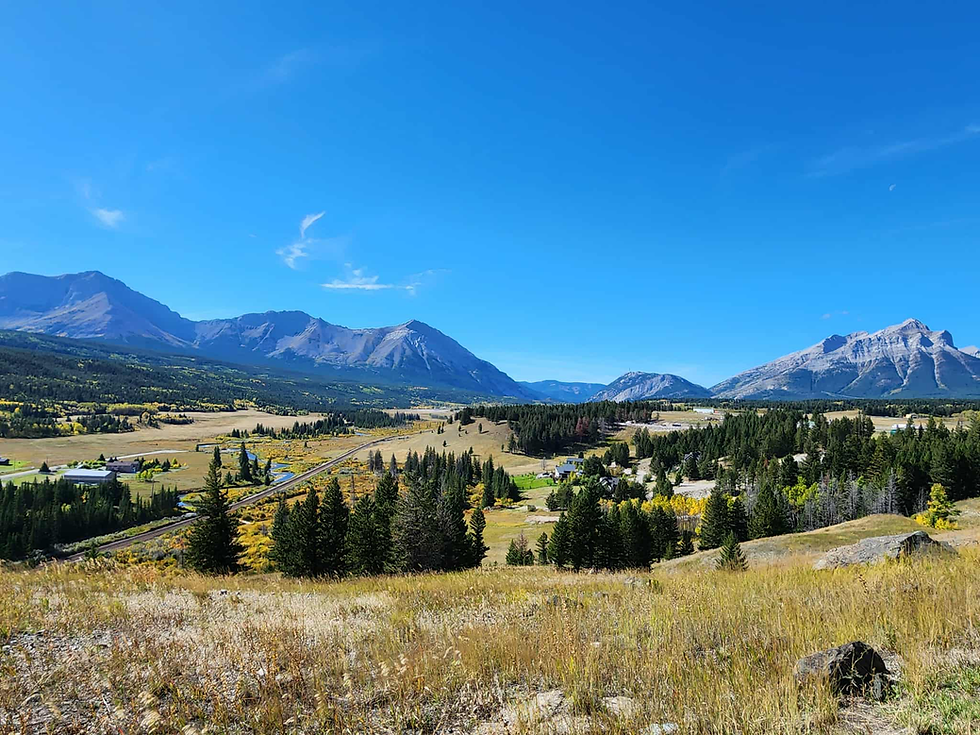
In places like the Crowsnest Pass, where the mountains and trails are just minutes away, having your bikes, fishing gear, and hiking equipment ready to go makes it easy to take advantage of every sunny day.
Last thing...
Preparing your RV for the summer season is mostly about prevention. Taking a few hours in early spring to inspect systems, test equipment, and refresh supplies can save you from surprises once camping season begins.
Once everything is checked off the list, you can focus on the best part of RV ownership: arriving at your campsite, opening the door, and settling in for another Alberta summer outdoors.
Here's the short version for you to screenshot and save:
Inspect the Roof & Exterior (seals, trim, water signs -- give it wash)
Check Tires & Wheels (Cracks, Uneven Wear, Lug Nuts -- replace if damaged or 5-7 years old)
Dewinterize the Water System (Wait until overnight temps are 1+)
Test Electrical Systems (inspect batteries for corrosion & charge-hold)
Check Propane & Appliances (don't forget the smoke & CO2 detectors)
Inspect Awnings & Slides (clean & lubricate)
Restock Your Supplies (septic chemicals, cleaning supplies, first aid supplies, batteries, bug spray)
prepare RV for summer Alberta, RV spring checklist Alberta, RV maintenance before camping season, dewinterize RV checklist, Alberta RV camping preparation, seasonal RV preparation Alberta, RV maintenance spring Alberta

Comments